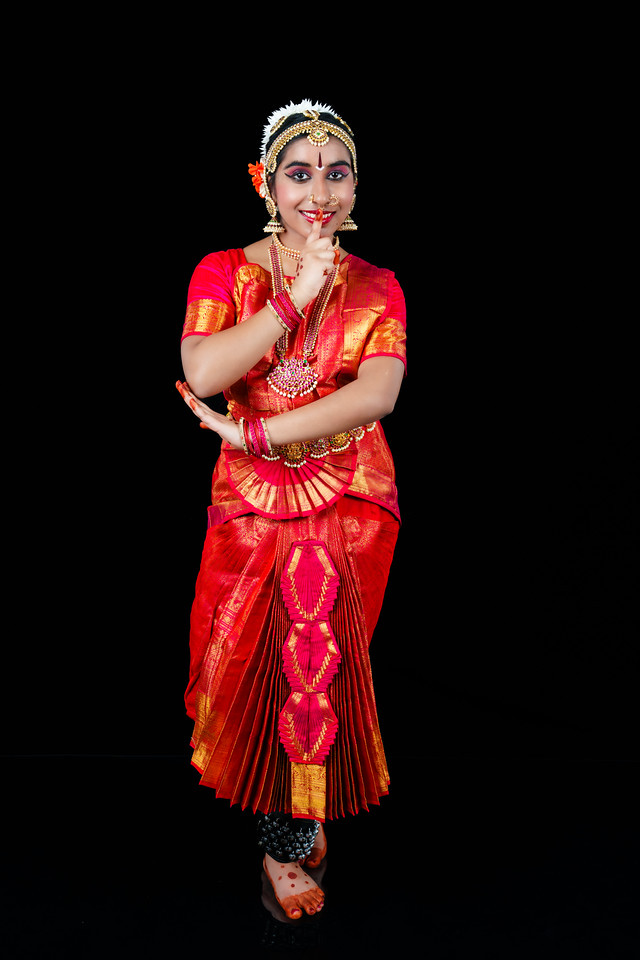
Guru Smt. Aparna Ram
Dear Lasya, Sujatha, and Thiru,
It was an absolute pleasure working with Lasya. She is a truly sincere, dedicated, and pure-hearted person, and it has been a joy to witness her growth throughout this journey.
I am deeply grateful to my Guru for making this Arangetram so successful. During every Arangetram, I feel her presence, guidance, and blessings with us every step of the way.
Thank you for the incredible love, trust, and unwavering support that you and your family have shown. It has meant so much to me.
May God bless Lasya and give her the strength, passion, and opportunities to continue nurturing this beautiful art throughout her life.
With love and blessings,
Aparna
Sri. Sandeep Iyer
Mridangam
Congratulations Lasya, Aparna and the proud parents! Really privileged to be part of this important event in your lives. Thanks for all the hospitality and warmth. Lasya was so confident, perfectly in sync with thalam and gave it all during her peformance.
It was also wonderful sharing stage with this orchestra team!
Sri Ravishankar Srinivasa
Flute
Ditto 😊
Congratulations Aparna, Lasya and the proud parents!
It was a wonderful evening and loved being part of this amazing, talented team.
Thanks for the opportunity Aparna 🙏
Until we meet again 👋
Smt. Radhika Devarajan
Violin
Gm everyone,
It was a wonderful teamwork as usual. Excellent execution by Aparna and Lasya. Good turnout in the audience too. It was packed throughout. Hearty congratulations Aparna on yet another successful completion of Arangetram. Wishing you many more.
Smt. Sitalaxmi Viswanathan
Vocalist
Very kind of them. They also must have felt the kinship because I happen to know Telugu and being able to converse with them in their language made us gel even more!!
At the end of the day an event of such magnitude was pulled off very well. Everything aligned!! Thank God Almighty
Piyush Reshamwala
Thiru/Sujatha/Lasya/Gagan —
Hats OFF to the entire family. Lasya's performance was not only exceptionally amazing, energetic, very well done, but one can imagine how much total effort she put into it to achieve her GOAL.
Honestly, we cannot find appropriate words to express our joy. We are definitely proud of our neighbors.
The whole event was well organized and professionally done. The snacks/dinner were great and tasty 😋 too. We enjoyed the EVENT.
Lastly, once again, our Heartiest ❤️💞 Congratulations to Lasya.
Kalpna Tamu
Congratulations on Lasya's fantastic Arangetram. She was awesome - consistent araimandi, dance frame, clean footwork and mudras and really good expressions. Great choice of repertoire supported by wonderful musicians. I congratulated Aparna separately on her choreography and Nattuvangam. A proud moment for your family. These memories will stay with you forever. Hope you all got to rest.
Radhika Menakuru
Congratulations to Lasya. She is so gorgeous on stage with her strong dance skill reflecting her hardwork. She is simply awesome. Congratulations to you and Thiru as well.
Sarita Varanasi
Lasya's Arangetram was mesmerizing. She performed very well. You arranged everything so well. You and Lasya were looking so pretty.
Anitha
Thank you Sujatha for inviting us to Lasya's Arangetram, Padmini and I had a very great time watching Lasya light up the stage! ✨ We also got to learn about Lasya little more, her ability to bring smiles and joy to so many is such a rare trait! God Bless her 🙌🙌
Event antha navuthu, smiles tho ela jarapalo mimmalani Thiru garini choosaka ardham ayyindhi, kudos to you both for instilling such a warm and cheerful environment inspite of the unplanned situations 👏
Swapna Kotni
Superb annayya it was so nice to see such a marvelous performance of lasya. Convey my wishes to her.
Bindu
Thanks for sharing the YouTube Live, Thiru Garu. I watched the Ramayanam part, and Lasya's facial expressions were excellent. Her performance was truly fantastic.
My heartfelt best wishes to the whole family. Thiru and Sujatha, I strongly believe that this would not have been possible without both of you working hand in hand, supporting and encouraging her every step of the way. Wishing you all many more such proud moments!
Meera
Thank you so much Thiru for having us. Had a great time and Lasya was amazing. Food was great. Had a great evening. 🙏
Wonderful Thiru. Ever me, still overcoming the overwhelming event 🙏🙏
Ashav Modh
Happy to help. Thank you for having us and letting us be part of a great performance.
Congratulations to Lasya, Sujatha, Gagan and you for putting on a flawless program for everyone.
Padma Akka
Chinna n Sujatha, congratulations to both of u, for ur lovely efforts for Lasya. 💐💐🪸🪸
Chandramouli Mama
సాయి రామ్, బంధు-మిత్రులు అందరికీ! మేము ఇప్పుడే Chy.Laasya నృత్యం TV ద్వారా చూడడం జరిగింది. చాలా చక్కగా అభినయం చేసింది, మన కుటుంబానికి పేరు-ప్రఖ్యాతులు తెచ్చి పెట్టింది, శ్రీ సత్య సాయి భగవాన్ ఆశీస్సులు తప్పక చి. లాస్యకు ఉంటాయి, Best of Luck, భేటీ! సాయి రామ్! శుభ రాత్రి!
Shivali
Thank you Thiru for inviting us and making us part of the amazing experience.. it was our first arangatram and we loved it! Your daughter is so beautiful and graceful.. such dedication and stamina.. loved watching her perform.. 💐🙏 wishing her the best in her future endeavors 🎊 everything was so beautifully organized.. Food was really delicious and we had really good time catching up with kids! Wishing you and your family the best of everything! 🎊💐
Avani
Thank you for inviting us yesterday, it was so great to watch and be a part of!! Everything was perfect, a testament to you and Sujata! Wishing lots of success and best wishes to Lasya on the next chapter.
Prabha Jha
Thank you for having us. Mom and I really enjoyed, was mesmerized by Lasya's performance. It was beyond words. Thanks for making me a part of it.
Murali Bava
We watched total in YouTube, 👏 lasya did very well ❤️🩹 it's a great Success to her, we wish & bless 🙌 her for her future endeavours 👍 We can't spell sUccess without U, great effort by proud parents for continuing telugu culture in US 👏🫡💐 Just convey our blessings for great achievement 🙌💐 to Kumari Lasya 👏👏
Arnold
Thiru, thank you for inviting us for the event. Lasya is absolutely the best, we enjoyed her performance. She is going to do great things. Please convey our best wishes and blessings 🙏❤️
Sunitha Rao
Abba chala baga chesindi Thiru, Lasya!! 🥰 very beautiful expressions andi!! God bless her!
Beginning miss ayyanu so watched it after your speech!
Very nice that your sister came!!
Congratulations to proud parents!!! Will talk to you soon!
Priya Balavihar
Words cannot express how great Lasya's arangetram was today. It was totally a divine blessing. Hearty congratulations.
Damu Gedala
Beautiful aarangatram of Lasya, done excellent performance, she has Baba's blessings all the time.
Priya
Great dancing by Lasya!
Peddamma 🙏🌸
Lasya thalli, Wishing you all the very best on your Bharatanatyam Arangetram! 💐
May Lord bless you with confidence, grace, and a memorable performance. We are so proud of you and will be watching you perform live with great joy.
May this beautiful milestone be the beginning of many more achievements in your artistic journey.
With lots of love and blessings,
Akhil Gudla
Congratulations on your Arangetram! You performed beautifully today. Your expressions, grace, and confidence on stage were amazing. Wishing you many more successful performances!
Ramana & Sridevi
Hi chilti thalli super superb mana family evaru chayani Barathanatyam arangaetram USA lo program chyatam amogam chinnari ki God bless you talli.. 4 hours natyam cheyatam sadharana vishayam kadhu.. Talli, aa Nataraju Blessings neeku nidugha unnayi. May God bless u talli.. Mee talli tandriki vandanamulu. Neeku intha support chesaru... ❤️❤️❤️ Good job inka ela enno enno... Cheyalani anni God ni korukuntunnamu... Mee mama n atta, Akhil Bava, God bless u 😘😘😘❤️❤️❤️
Gopal Rao Tata
Heartfelt congratulations on your successful Arangetram lasya thalli. It was a wonderful performance, and your dedication, discipline, and hard work were reflected in every moment on stage. We are all very proud of you. May you continue to grow in your passion, achieve greater milestones, and be blessed with good health, happiness, and success. God bless you always. 🙏✨
Vaishnavi
Congratulations on your beautiful Arangetram lasya.. You did an amazing job, and all your hard work truly showed on stage. Wishing you many more wonderful performances and continued success in everything you do. So proud of you! Keep shining and enjoy this special achievement. ❤️✨
Roopalakshmi Peddamma
Lasya thalli,
What a wonderful Arangetram!
You danced with so much grace and joy. We are all so proud of you.
Keep shining and make us proud always. Love you so much
Bhanu Tejaswi
Dearest Lasya,
Heartiest congratulations on your beautiful Arangetram! ❤️ Watching you perform with such grace, confidence, and dedication for four hours was truly inspiring. Every moment reflected the years of hard work, passion, and perseverance behind this incredible achievement. We couldn't be prouder of you!
A special appreciation to chinna mama and sujatha atta, n chinna mama your heartfelt speech touched everyone's hearts and beautifully reflected the immense love, sacrifices, and unwavering support that made this journey possible.
Also, amma....you spoke very well, where it shows your love and affection for our dear lasya...🥰
Congratulations to you all on this unforgettable milestone.
Wishing you lasya an endless success, happiness, and many more glorious performances ahead. God bless you always! 🌸✨
ప్రియమైన లాస్య,
నీ భరతనాట్య అరంగేట్రం అనే ఈ అద్భుతమైన మైలురాయికి హృదయపూర్వక అభినందనలు! 🌸
అరంగేట్రం అనేది కేవలం ఒక ప్రదర్శన కాదు... ఎన్నో సంవత్సరాల కృషి, క్రమశిక్షణ, అంకితభావం, గురువుల ఆశీస్సులు, తల్లిదండ్రుల ప్రోత్సాహం కలిసి సాధించిన గొప్ప విజయానికి ప్రతీక.
ఈ రోజు నీ ప్రతి అడుగు, ప్రతి హస్తముద్ర, ప్రతి భావవ్యక్తీకరణ ప్రేక్షకుల హృదయాలను తాకాలని కోరుకుంటున్నాను. నాట్య సరస్వతి ఆశీస్సులతో నీ కళాజీవితం మరెన్నో ఉన్నత శిఖరాలను అధిరోహించాలని మనస్ఫూర్తిగా ఆశిస్తున్నాను.
నీకు, నీ గురువులకు, కుటుంబ సభ్యులందరికీ ఈ చిరస్మరణీయ సందర్భంగా హృదయపూర్వక శుభాకాంక్షలు.
నీ ప్రతిభ ఎప్పటికీ వెలుగొందాలి... మరెన్నో విజయాలు నీ సొంతం కావాలి!
ఇట్లు,
మీ పెద్ద వదిన,
మీ చిన్న వదిన,
మీ మేనత్త & మామయ్య
Poorna Nath
Huge congratulations to Lasya for a breathtaking Arangetram performance, and to the proud parents Thiru Voonna and Sujatha Voonna, whose unwavering love and support made this magnificent milestone possible! 🎉✨
Deepu
Great dance performance, Lasya! 🌸 Your Arangetram was truly beautiful and inspiring. Every step was graceful, confident, and performed with such dedication. It takes an incredible amount of hard work, discipline, and practice to remember and perform so many dance sequences flawlessly throughout such a long performance, and you did it with ease.
I know Thiru Voonna and Sujatha Voonna are very proud of this remarkable achievement. I can see your sincere effort as parents to encourage and come together to achieve this. Wishing you many more successes and keep shining girl 🧒
Sanjana Akka
What a magical Arangetram, Lasya!
So much hard work, dedication and passion on one stage.
You did amazing. We're all so proud of you. Love you! 💖
Dinesh
Hey Thiru anna,
Saw the video early in the morning.
Great dance. It was really a good performance lasya. Kudos 👏
And good speech by chinna anna and purna akka. 😊
Good to see you guys on stage
Giridhar Peddananna
My dearest younger girl, Lasya, its a Lasyamatic experience watching your Arangetram today filled our hearts with immense pride and joy. From the invocatory grace of the Pushpanjali to the rhythmic precision of the Alarippu and Jatiswaram, the storytelling depth of the Shabdam and Varnam, the emotive beauty of the Padam, and the joyous energy of the Tillana — every piece showed your years of dedication, discipline, and love for Bharatanatyam.
This moment is also a tribute to Chinna and Sujatha, whose love, patience, and tireless effort nurtured your passion for dance and brought you to this beautiful stage today.
May Lord Balaji's divine blessings and Thatha's blessings from above always guide and protect you, Lasya, as you continue to shine in life. We are so proud of you all — today and always. 💃❤️🙏
నా ప్రియమైన చిన్న కూతురు లాస్య, ఈరోజు నీ అరంగేట్రం చూస్తుంటే మా హృదయాలు గర్వంతో, ఆనందంతో నిండిపోయాయి. పుష్పాంజలి నుండి అలారిప్పు, జతిస్వరం లోని లయబద్ధత, శబ్దం, వర్ణం లోని కథా చాతుర్యం, పదం లోని భావ సౌందర్యం, తిల్లానా లోని ఉత్సాహం వరకు — ప్రతి ప్రదర్శన నీ సంవత్సరాల అంకితభావాన్ని, క్రమశిక్షణను, భరతనాట్యంపై నీ మక్కువను చాటిచెప్పింది.
ఈ క్షణం చిన్న మరియు సుజాత ప్రేమకు, ఓర్పుకు, అలుపెరగని కృషికి కూడా నివాళి — వారే నిన్ను వజ్రం లా తయారుచేసి ఈ అందమైన వేదిక వరకు తీసుకువచ్చారు.
శ్రీ వెంకటేశ్వర స్వామి దివ్య ఆశీర్వాదాలు మరియు తాతాజీ గారి ఆశీర్వాదాలు నిన్ను ఎల్లప్పుడూ నడిపించాలని, కాపాడాలని కోరుకుంటున్నాము, లాస్య. మేమంతా నిన్ను చూసి ఎప్పటికీ గర్విస్తూనే ఉంటాము. 💃❤️🙏
Kanna Mama
వూణ్ణ వారి వంశాంకురమైన స్వర్గీయ అన్నపూర్ణ సత్యన్నారాయణ గారి జ్యేష్ఠ కుమారుడు స్వర్గీయ నందికేశ్వరరావు మరియు నాన్నమ్మ భూలక్ష్మి మరియు అమ్మమ్మ తాతయ్యాల మనుమరాలు అయిన పెద్దనాన్న రూప గిరిధర్ ల ప్రియ సోదరుడు సుజాత తిరుమల కుమార్తె కుమారి లాస్య ఈ రోజు అమెరికాలో నటరాజు సాక్షిగా మరియు అనంత దేవతల సాక్షిగా మన కుటుంబాలు తల ఎత్తుకునేలా ఎంతో కృషి పట్టుదలతో ఎంచుకున్న కళ భరతనాట్యం ఆరంగేట్రం కార్యక్రమం ఆద్యంతం అద్భుతం - అనన్యం... ఈ సందర్భంగా ఆ చిరంజీవికి ఆ వేంకటేశ్వరుడు 'సకల దేవతలు అన్ని విధాలా దిన దిన ప్రవర్ధమానంగా ఎదగాలి' అని ఈ సందర్భంగా లాస్యకు మా యొక్క దీవెనలు అందజేస్తున్నాము. ఇందుకు సహకరించిన తల్లిదండ్రులకు అభినందనలు తెలియజేస్తున్నాము... నాట్యం అద్భుతం.... చాలా సీనియర్ మోస్ట్ లా అభినయం ఆ కళ కే వన్నె తెచ్చింది.... కలకాలం సాగాలని మనసా... వాచా కర్మణా కోరుతున్నాము... దీర్ఘాయుష్మాన్ భవ... మనోవాంఛాయ ఫల సిద్ధి రస్తు... ఓం శతమానం భవతి శతాయు: పురుష శతేంద్రియ ఆయు: శేవేంద్రియే ప్రతితిష్ఠతి.... జై శ్రీరామ్.....
Sai
Congratulations Laasya.. it was a fabulous performance and presentation that celebrated tradition, artistry, and cultural heritage. 👏👏👏
Pradeep
Congratulations..👏 #Lasya-Niece# on your Arangetram and all the best for your magical performance
Surya
Nice Performance Good Luck Lasya 💐💐💐💐
Swathi
Super performance keep going
Valsan Vellatah
Suja, Thank you for making us part of Lasya's special day. She is an amazing dancer. Kudos to you and Thiru for organizing such a flawless function for her arangettam. Once again congratulations to Lasya and the Voonna family.
Nandita
Hi aunty, just wanted to congratulate again on Lasya's arangetram. Also just wanted to say how much I loved the Ksheera Sagara dance. I already liked that song so much, but the choreo, and orchestra, and lasya ofc made it so memorable 😍🥰
Dr. Radhakrishna
Indeed it was and we were very happy to see the entire performance and enjoy the tasty snacks and food. We appreciate the hard work put in by the family, friends and musical ensemble as well as Guru Mrs. Ram. All the best to Lasya for a bright future.
Mala
Hi Thiru, Congratulations again to Lasya on a spectacular Arangetram and for an amazing performance! We were honored to be there, and extending our sincere thanks to you and Sujatha for the gracious invitation.
Shobhana
Watching again, congratulations - her years of hardwork and dedication is evident in the performance. Such good performance requires God's and Guru's blessings. Wish her more successful performances.
Rajesh Gudla
It was an absolute delight and pleasure for us to watch Lasya grow up so fast and be at her best in her first ever performance ❤️ Our best wishes and blessings to Lasya! Also to both of you for dedicating your lives for kids, kudos 👏🙏
Sri Balavihar
The pleasure was ours. Lasya did a wonderful job and you, Sujatha and Gagan put in a lot of effort to make this event memorable and successful. Nice to see so many Balavihar friends there. Good to reconnect with all.
Ram Madhurakavi
Hi ra, it was a mesmerizing performance by Lasya 😍 Very fortunate to be part of the celebrations 🌞 Our blessings and best wishes for Lasya's bright future 💐 See you soon.
Srinivas Yerra & Lakshmi
Hi Thiru garu.. Beautiful pic 👌 and Lasya is looking stunning in all the pics. I saw the live performance as well, she has performed beautifully 😍😍 Sorry to miss seeing it live. Congratulations to Lasya and you all, such a proud moment to see all your years of effort in creating such beautiful art.
Prashant & Aruna
Hi Thiru, Congratulations again to Lasya on a spectacular Arangetram and for an amazing performance! We were honored to be there, and extending our sincere thanks to you and Sujatha for the gracious invitation.
Durgarao Babai
Hey Lasya Thalli... We Voonna's family wishing you on the occasion of your Arangetram, thalli. We are feeling very proud, Lasya. Congratulations and all the best 💐💐💐👏👏👏
Daliraju Maya
నీకు నా హృదయపూర్వక శుభాభినందనలు తల్లి. ఆ భగవంతుని అనుగ్రహంతో పెద్దలందరూ ఆశీస్సులతో నీవు నీ మనోభీష్టం ప్రకారం జీవితంలో ఉన్నత శిఖరాలను అధిరోహించాలని మనసారా ఆకాంక్షిస్తూ...